Bara Imambara
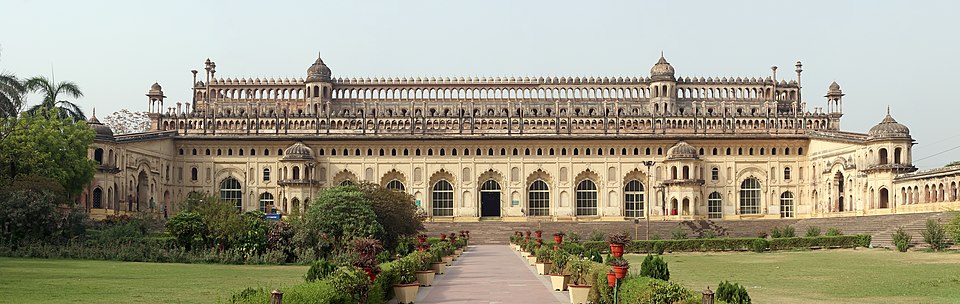
Bara Imambara, one of the most iconic landmarks of Lucknow, is a grand architectural complex built in 1784 by Nawab Asaf-ud-Daula. Designed by the renowned architect Kifayatullah, this impressive structure reflects the artistic brilliance of Mughal-inspired Awadhi architecture and stands as a symbol of the city’s cultural and historical richness. The monument is particularly famous for its mysterious Bhool Bhulaiya, a labyrinth of narrow passages and interconnected corridors that fascinates travelers from across the world.
The central hall of Bara Imambara is among the largest arched halls in the world without any supporting beams, showcasing extraordinary engineering and architectural innovation of the 18th century. Constructed entirely from brick and lime without the use of iron or wood, the vast hall was built as part of a famine relief project, providing employment to thousands of workers
during a time of crisis. Today, the hall’s massive scale, acoustic design, and elegant simplicity attract both tourists and architecture enthusiasts.
The real adventure begins when visitors step into the Bhool Bhulaiya, a maze with over 1,000 narrow passages, dead ends, hidden staircases, and surprising viewpoints. From the rooftop terrace, one can enjoy panoramic views of Lucknow’s historic skyline, including the nearby Rumi Darwaza.
The complex also includes the Asfi Mosque, beautiful courtyards, and grand gateways that reflect the refined aesthetic of the Nawabi era. A visit to Bara Imambara offers a captivating mix of history, architecture, spirituality, and adventure.
Whether you're exploring Lucknow’s heritage trail, interested in Mughal-era architecture, or simply curious about India’s most famous maze, Bara Imambara is a must-visit destination and one of the best cultural experiences the city has to offer.