Qutub Minar
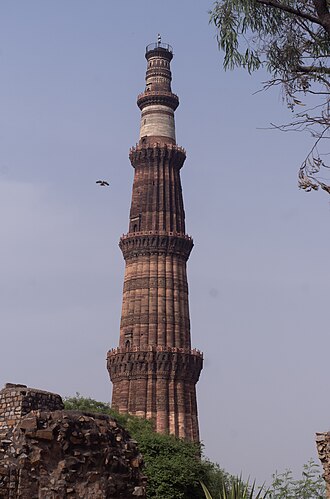
Qutub Minar, located in the Mehrauli area of Delhi, is one of India’s most celebrated historical monuments and a UNESCO World Heritage Site. Built in 1193 by Qutb-ud-din Aibak and later expanded by his successors, this towering minaret stands at an impressive height of 73 meters, making it the tallest brick minaret in the world. The monument is a symbol of early Indo-Islamic architecture and attracts millions of travelers, history lovers, and photographers from around the globe.
Constructed from striking red sandstone and marble, the Qutub Minar features five distinct stories, each marked by a projecting balcony. The intricate carvings, detailed Quranic inscriptions, and decorative bands that cover the tower showcase the artistic excellence of the medieval period. Surrounding the minaret is the Qutub
Complex, an extraordinary archaeological site filled with ancient structures such as the Quwwat-ul-Islam Mosque, the Iron Pillar of Delhi, Alauddin Khilji’s Alai Darwaza, and the unfinished Alai Minar.
One of the most fascinating elements of the complex is the Iron Pillar, a 1,600-year-old engineering marvel known for its rust-resistant composition. The blend of historical significance, architectural brilliance, and scientific mystery makes the Qutub Complex an essential stop for anyone exploring Delhi.
Visitors enjoy walking through the serene gardens, capturing stunning photographs of the soaring minaret, and learning about the dynasties that shaped India’s early medieval history. Whether you are on a cultural tour, a family trip, or a history-focused journey, Qutub Minar offers an unforgettable experience and is one of the top attractions in Delhi.