Jama Masjid Delhi
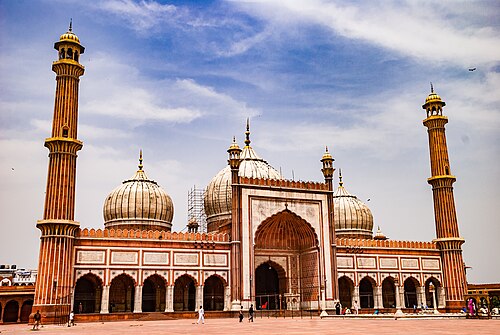
Jama Masjid in Delhi, one of the largest and most magnificent mosques in India, stands as an enduring symbol of the Mughal Empire’s architectural brilliance. Commissioned by Emperor Shah Jahan in 1650—the same visionary ruler who built the Taj Mahal—this grand monument took over 5,000 artisans to complete and remains one of the most visited heritage sites in the capital. Situated in the bustling area of Old Delhi, near Chandni Chowk and Red Fort, Jama Masjid draws millions of worshippers, tourists, and architecture enthusiasts every year.
The mosque’s imposing structure is built from a graceful combination of red sandstone and white marble, featuring three monumental domes, two soaring minarets, and an expansive prayer courtyard that can accommodate over 25,000 people. The elegant marble inlay work, carved arches, and towering gateways reflect the refined craftsmanship of the Mughal
era. Visitors often climb the southern minaret to enjoy spectacular panoramic views of Old Delhi, offering a unique blend of historical charm and modern vibrancy.
Inside the mosque, the peaceful atmosphere contrasts beautifully with the lively streets outside. The spacious courtyard, etched with intricate patterns, is an ideal place for reflection and photography. The mosque houses several precious relics, including an ancient Quran written on deerskin, adding to its spiritual and historical significance.
Jama Masjid is not just a religious landmark—it is a cultural experience. After exploring the mosque, visitors often walk through nearby markets to sample traditional Delhi street food, shop for local crafts, and soak in the old-world ambience.
Whether you're a history lover, architecture admirer, or cultural explorer, Jama Masjid Delhi is a must-visit destination that showcases the grandeur, spirituality, and timeless beauty of Mughal India.