Lotus Temple
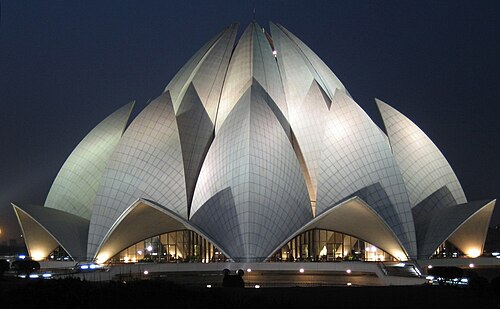
The Lotus Temple, located in South Delhi, is one of India’s most iconic modern architectural landmarks and a global symbol of peace, unity, and spiritual harmony. Completed in 1986, this magnificent structure serves as a Bahá’í House of Worship and is open to people of all religions, nationalities, and beliefs. Its unique lotus-shaped design, created using pristine white marble, has earned it worldwide recognition and numerous architectural awards, making it one of Delhi’s most visited attractions.
Designed by Iranian architect Fariborz Sahba, the temple features 27 marble “petals” arranged in clusters to resemble a blooming lotus—a symbol of purity, enlightenment, and divine beauty. Surrounded by nine serene pools and beautifully landscaped gardens, the temple offers a calm and meditative environment far removed from the hustle and bustle of city life.
The structure emphasizes simplicity, elegance, and symmetry, reflecting the Bahá’í principles of unity and equality.
Inside the prayer hall, silence is the central theme. There are no idols, rituals, or religious ceremonies—visitors are encouraged to sit peacefully, meditate, and reflect, regardless of their faith. The natural light filtering through the marble petals creates a tranquil aura, making the experience spiritually uplifting for many.
The Lotus Temple is also celebrated for its commitment to sustainability, with its design incorporating natural ventilation, energy efficiency, and eco-friendly materials. Its vast open lawns are a favorite spot for photography, family outings, and nature lovers.
Whether you're interested in modern architecture, seeking a quiet place for reflection, or exploring Delhi’s top attractions, the Lotus Temple is a must-visit destination that beautifully blends art, spirituality, and serene beauty.