Safdarjung Tomb
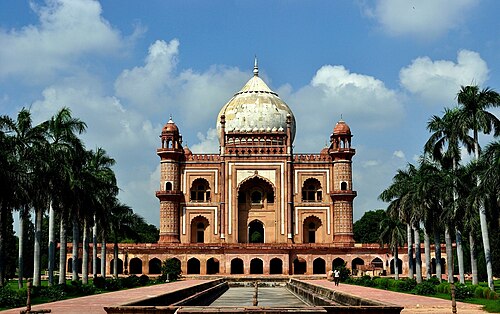
An elegant Mughal-style garden tomb built in the 18th century.Safdarjung Tomb, located near Lodhi Road in New Delhi, is one of the last monumental tombs built in the Mughal architectural tradition. Constructed in 1754 for Nawab Safdarjung, the powerful statesman and prime minister under the Mughal Emperor Ahmad Shah Bahadur, this majestic mausoleum stands as a symbol of the fading yet graceful era of late Mughal architecture. Surrounded by beautifully landscaped Charbagh-style gardens, the monument offers a peaceful and picturesque escape from the city’s busy streets.
Built primarily from red and brown sandstone with striking white marble accents, Safdarjung Tomb features a large central dome, intricately carved arches, and ornamental facades that reflect Mughal artistry. The main chamber houses the cenotaph of Safdarjung, while additional pavilions—Jangli Mahal, Badshah Pasand, and Moti Mahal—surround the courtyard, offering visitors a glimpse
into the architectural symmetry and design of the period. The towering gateway at the entrance provides a grand and dramatic introduction to the complex.
Visitors can wander through the lush lawns, explore the elegant water channels, and admire the tomb’s detailed craftsmanship. The serene environment, combined with the monument’s historical significance, makes it a popular destination for history lovers, photographers, and travelers seeking quieter heritage sites in Delhi.
Safdarjung Tomb is also an excellent example of Indo-Islamic architecture’s final phase, marking the transition from the grand Mughal style to later regional influences. Its beauty, symmetry, and tranquil ambience make it a must-visit for those interested in Delhi’s cultural and architectural heritage.
Whether you're exploring Delhi’s historic monuments, looking for scenic photography spots, or simply enjoying a calm walk in a heritage garden, Safdarjung Tomb offers a refreshing and enriching experience.