Jantar Mantar Jaipur
Overview
Jantar Mantar Jaipur – A Marvel of Astronomy, Science, and Architecture
Jantar Mantar in Jaipur is one of India’s most extraordinary historical landmarks and a UNESCO
World Heritage Site, celebrated for its scientific brilliance and architectural innovation.
Built in the early 18th century by Maharaja Sawai Jai Singh II, the observatory reflects India’s
advanced understanding of astronomy and mathematics.
Remarkable Astronomical Instruments
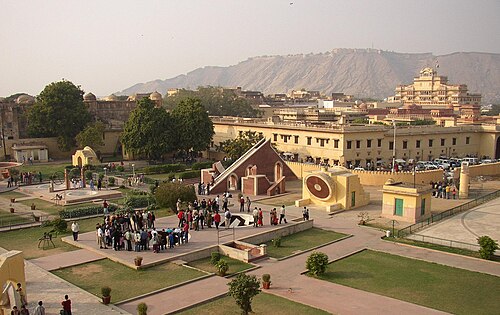
The complex houses 19 massive astronomical instruments made from stone and marble,
designed to measure celestial movements with incredible accuracy.
The most famous is the Samrat Yantra, the world’s largest stone sundial, which
stands nearly 27 meters tall and measures time to an accuracy of just a few seconds.
Scientific and Architectural Excellence
Other important instruments include the Jaiprakash Yantra,
Rama Yantra, and Dhruva Yantra, each serving unique astronomical
purposes.
The bold geometry, sweeping angles, and monumental scale of the instruments create a visually striking
landscape that fascinates photographers and art lovers.
A Heritage Treasure in the Heart of Jaipur
Located near City Palace and Hawa Mahal, Jantar Mantar offers a unique blend of science, history, and
artistic expression.
Visitors are often amazed by how precisely these centuries-old instruments still align with the sun,
moon, and stars.
A Must-Visit for Science and Culture Enthusiasts
Whether you're a science lover, a curious traveler, or an admirer of unique architecture, Jantar Mantar Jaipur offers an unforgettable experience that showcases the city’s intellectual legacy and cultural richness.
Why you’ll love this place
- Perfect mix of local culture, iconic sights, and hidden gems.
- Ideal for couples, families, and first-time visitors.
- Curated experiences from trusted local partners.
- Flexible itinerary options to match your travel style.
- Handpicked stays / hotels
- Local sightseeing highlights
- Guided support (online / phone)
“Amazing experience! Great planning, smooth logistics, and beautiful sightseeing. Highly recommended for stress-free travel.”
— Verified traveler